If you have been watching La Jolla listings and comparing them to a median price you saw on a portal, here is a number that should stop you: in 2026, Muirlands, the priciest single-family pocket in the 92037 ZIP code, recorded 28 closed sales at a median of $4.35 million. La Jolla Mesa, a pocket with a nearly identical median of $3.95 million, closed only 8. Same ZIP code. Comparable price tag. More than three times the transaction volume in one over the other.
That gap is the whole story. It means the price of a home in La Jolla and how easy it is to actually find and buy one move on separate tracks. A blended "La Jolla median" hides both facts at once, and if you are trying to decide where to focus a search or how to price a listing, that single number is answering a question you did not ask.
Ten Neighborhoods, One ZIP Code
La Jolla's 92037 ZIP code is not one market. It is a set of named, historically distinct pockets, each with its own pricing and its own pace. Here is how single-family closings broke down across ten of them in 2026:
| Median Sale Price | 2026 Sales | |
|---|---|---|
| Muirlands | $4.35M | 28 |
| Country Club | $3.91M | 25 |
| Bird Rock | $3.05M | 24 |
| Barber Tract | $3.55M | 23 |
| La Jolla Alta | $2.77M | 18 |
| La Jolla Heights | $3.50M | 17 |
| Soledad South | $2.31M | 14 |
| La Jolla Shores | $4.15M | 12 |
| Village of La Jolla | $3.10M | 11 |
| La Jolla Mesa | $3.95M | 8 |
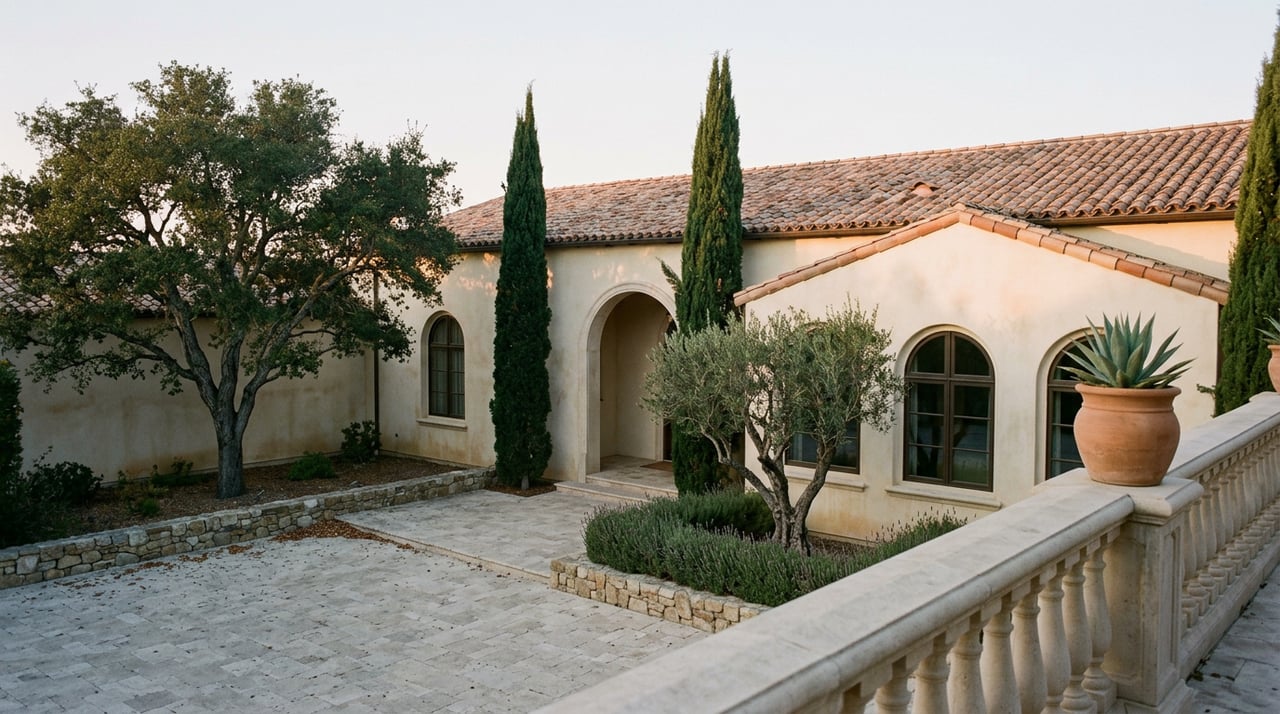
Look at the spread. The high end of this table is nearly double the low end, all inside a single ZIP code that most buyers treat as one line item on a spreadsheet. Muirlands, master-planned in the 1920s on land assembled from generous, curving lots, mixes original Spanish Revival and mid-century estates with a growing number of architect-designed contemporary rebuilds. Bird Rock, centered on the roundabouts added along La Jolla Boulevard in 2008 and home to local fixtures like Bird Rock Coffee Roasters, runs cottages from the 1940s alongside modern builds. Country Club sits around La Jolla's private golf club. Barber Tract's cottage-scale streets sit near Windansea Beach. Each of these has its own housing stock, its own buyer pool, and its own reason for trading the way it does.
The Math Nobody Expects
The instinct is to assume price and volume move in opposite directions. Higher price, fewer buyers, fewer sales. That instinct fails here.
Compare Bird Rock and Barber Tract. Bird Rock's median sits at $3.05 million with 24 sales. Barber Tract runs half a million dollars higher at $3.55 million and still closed nearly as many homes, 23. If price alone controlled volume, that gap should have thinned the Barber Tract number considerably. It did not.
Then look at the extreme case: Muirlands and La Jolla Mesa, priced within $400,000 of each other, differ by 20 closed transactions. The most likely explanation is not buyer appetite. It is inventory. Muirlands has been building and rebuilding on its original 1920s lots for a century, which keeps a steady supply of estate-scale properties moving through the market at any given time. A smaller, less actively turning pocket like La Jolla Mesa simply does not generate the same number of transactions to draw from, regardless of what buyers are willing to pay.
The practical takeaway: do not equate "expensive" with "hard to find." In La Jolla, some of the priciest pockets are actually where you will see more listings and more closed comps to work from, while a few of the more moderately priced pockets are the ones where good inventory is genuinely scarce.
What "The La Jolla Median" Actually Averages
Here is where the portal numbers get confusing if you have been comparing sources. One recent read puts La Jolla's overall median sale price at roughly $2.35 million, a 2 percent dip from the year before. A separate estimate for 2025 put the median above $3 million.
Those two figures are not describing a crashing or surging market. They are most likely sampling different mixes of the ten pockets above, some of which carry a much heavier share of condominiums than others. La Jolla Shores and the Village both include meaningful condo inventory alongside single-family homes, and older beachfront association buildings can carry monthly dues exceeding $1,000, on top of purchase prices that run well below single-family estate pricing. Fold enough of that condo volume into a blended average and the number drops, sometimes sharply, without a single house in Muirlands or Country Club changing in value at all.
Put the single-family pocket medians next to that blended $2.35 million figure and the pattern is obvious. Every pocket in the table above sits at or above that number except Soledad South and La Jolla Alta, which come close. If you are specifically shopping for a house rather than a condo, the widely quoted ZIP-level median is undercounting nearly everything you are actually looking at.
What This Means If You're Comparing Pockets
If you are searching for a home in La Jolla, the first useful question is not "what's the median." It is "which pocket, and does that number include condos." A $2.35 million headline tells you almost nothing about what a house in Country Club or Barber Tract will actually cost you. It tells you more about the overall product mix moving through the ZIP code that quarter.
If you are pricing a listing, the same logic applies in reverse. A seller in La Jolla Heights or Bird Rock who anchors expectations to a countywide or ZIP-wide news story is working from the wrong comp set entirely. The pocket-specific closings, not the blended average, are what an appraiser and a serious buyer will actually be looking at.
This is the kind of read that only comes from tracking closings pocket by pocket over time, not from a single portal snapshot. Whether you are weighing Muirlands against La Jolla Shores for a purchase, or trying to price a home in a pocket with thinner recent activity, the comps that matter are the ones from your specific streets, not the ZIP code as a whole.
Frequently Asked Questions
Are these ten pockets official city boundaries? No. Names like Muirlands, Bird Rock, and Barber Tract are long-standing, commonly used community designations rather than formal municipal districts, and their edges can be drawn slightly differently depending on the source. They are useful for comparing like with like, not for legal boundary questions.
Do the prices in the table include condos? No. The figures above reflect single-family home closings. Condominium pricing in pockets like La Jolla Shores and the Village runs separately, typically lower, and comes with its own set of association dues and rules worth reviewing before you compare it to a house.
Does a lower sales count mean a pocket is a bad investment? Not necessarily. It usually means fewer homes trade there in a given year, which can be a function of smaller total housing stock or owners holding longer. It is a signal about how much comparable data you will have to work with, not a verdict on desirability.
Is the La Jolla market slowing down? The 2 percent year-over-year dip cited in blended figures reflects the overall ZIP-wide average, which includes condos. It does not mean every pocket softened by the same amount, or at all. Pocket-level data is the only way to know what happened on a specific street.
Reading La Jolla by pocket instead of by headline is the difference between guessing and knowing what a home is actually worth where it sits. If you are trying to figure out where your search or your listing fits into this picture, Barbara Sells La Jolla can walk through the current comps for your specific street. Let's Connect.